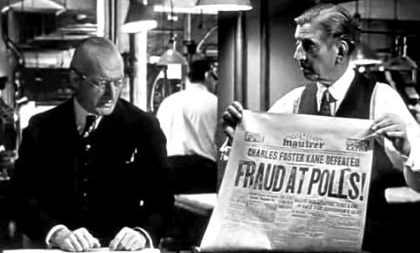

Tuesday’s primary election turned out to be a snooze. The most interesting development was how much money was wasted trying to unseat a small number of Democratic incumbents. They all won, as far as I can tell.
Firmly atop the Futility Rankings is former TV anchor Stewart Ledbetter, who finished fourth in the race for three state Senate seats in the Chittenden Central district. He raised almost $60,000 and spent a bit under $40,000 (tentative). He “earned” 3,159 votes, which cost him and his well-heeled donors about $12.56 apiece. Bargain!
Elsewhere in the “beat the Democrats” game, House Ways & Means Chair Emilie Kornheiser brushed off a challenge from business-backed Dem Amanda Ellis-Thurber, while the Waterbury duo of Reps. Tom Stevens and Theresa Wood defeated “affordability” Dem Elizabeth Brown, who spent gobs of cash and didn’t really come close to pulling off an upset.
Two quick takeaways: If there’s an anti-tax revolution brewing in the hinterlands, it did not show itself in the results. At all. And those allegedly smart business leaders just squandered a whole lot of money trying to push the Democratic caucuses toward the center. They might have scored one small victory, as Danforth Pewter chief Bram Kleppner took a Democratic nomination for House in Burlington. But that’s about it.
The rich donors had their only real successes in Republican primaries. Former Dem state senator John Rodgers easily defeated the fringey Gregory Thayer, Rep. Scott Beck cemented a Republican Senate nomination in the Kingdom, and Rep. Pat Brennan will face narrow Dem winner Sen. Andy Julow for the seat formerly held by the late Dick Mazza. But none of those people is moving the window much, if at all. Democrats have to be heartened by the results. And no, Rodgers is not going to win in November.
The only potentially interesting statewide race was, in the end, uncompetitive. Lt. Gov. David Zuckerman had no trouble dispatching Dem challenger Thomas Renner, who also benefited (to no avail) from strong business backing but failed to capitalize. (The Secretary of State’s election map appears to show that Zuckerman won every single community in the state.)
It sets up a nervy sort of Kumbaya moment, as presumably the Dems will dutifully rally around Zuckerman following a last-days VTDigger scoop about his relationships with Statehouse women. He could rightfully feel that the Democratic establishment was trying to torpedo his candidacy with a well-timed hint of scandal. It didn’t work. At all.
Speaking of last-ditch scandal-mongering, my nominee for Worst Person On the Ballot is Jason Herron, faux-Democratic House candidate in Vernon. Last week, The Commons published a letter alleging that actual Democratic candidate Zon Eastes had been involved in covering up alleged sex crimes at a nonprofit he used to be involved in. Turned out the events in question did not happen while Eastes was actually involved. There was no story. But it kicked up a fair bit of dust; the Eastes campaign countered with a letter of its own. The Commons published it, but only after helping to spread a scurrilous and baseless slander. (The paper announced it is “reviewing and developing more precise policies about editing of opinions,” which it should. It got taken for a sucker this time, and did its community no favors.) Herron lost by a nearly three-to-one margin, thankfully.
If you want to see the stark divide between Democrats and Republicans, just look at the raw vote totals in primary races. Democratic ballots far outnumbered Republican ones, and the Dems’ natural advantages will reassert themselves in the fall campaign. Besides the coronation of Gov. Phil Scott, natch.
Speaking of whom, the primary victory by Democratic gubernatorial candidate Esther Charlestin over stealth Republican Peter Duval is a nice moment, and that’s exactly all it is. She will not be able to run a competitive race against Scott. Fortunately for the Dems, it won’t make any difference in the race for the Statehouse. The Republicans are not poised to capitalize on any anti-tax sentiment that may or may not exist.
The Democrats/Progressives should be strong favorites to sustain their supermajorities. The Republicans have a weak ticket full of fringe characters. They may pick off a seat here or there, but they will be fighting their own disorganization to do so. Besides, the most powerful forces in the November election will be national, not state-level. The Harris-Walz ticket has seized the imaginations, and galvanized the energy, of the party base. Plus Bernie Sanders is on the ballot, likely for the last time. I hope the governor has gotten accustomed to seeing his vetoes fail, because he may be in for another couple of rounds in the coming biennium.
 The Vermont Political Observer.
I, for one, don’t anticipate a supermajority in the Senate next year.