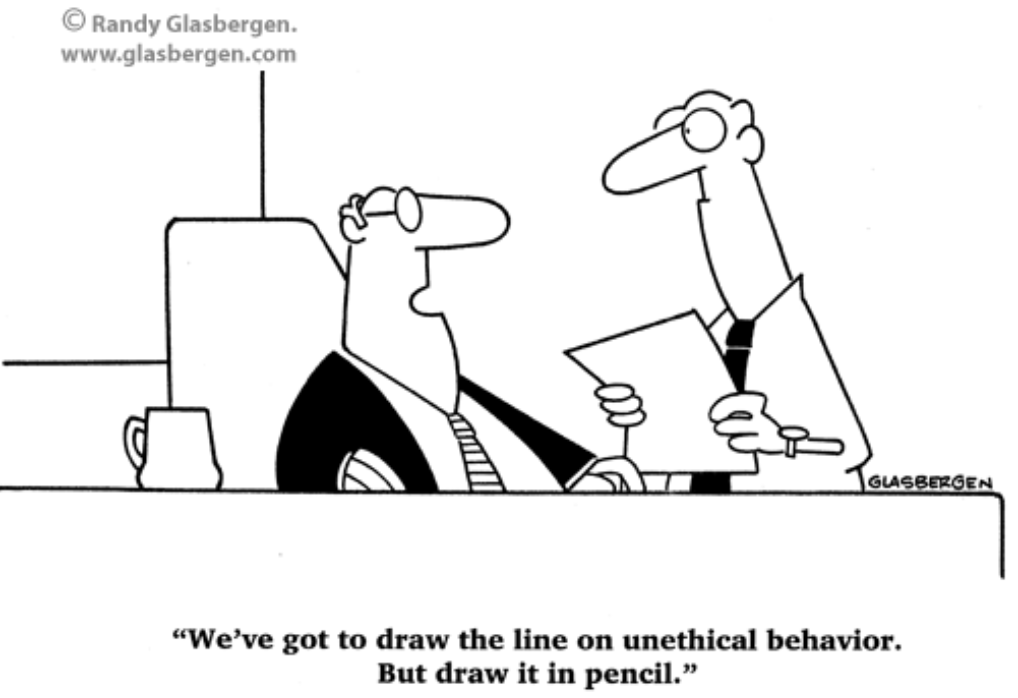
The Legislature never wanted to establish a process for governing official ethics. It took years for lawmakers to enact an embarrassingly threadbare State Ethics Commission, which has since improved somewhat but still conducts its business in secret. The House and Senate were essentially forced to create ethics panels of their own in the wake of the Norm McAllister scandal. Of course, they did the absolute minimum: The panels are black boxes, operating entirely out of public view — as I found out first-hand when I became the first person to file an ethics complaint. The House Ethics Panel considered my complaint behind closed doors and dismissed it. I never heard a peep until after the panel had completed its “work.”
When the House and Senate created the state commission and their respective panels, their first concern was avoiding embarrassment for officials. This remains the operative principle today, as we see in the case of Rep. Mary Morrissey repeatedly dumping cups of water into Rep. Jim Carroll’s tote bag — so repeatedly that it drove Carroll to distraction and affected his mental health.
This follows the pre-primary disclosure that Lt. Gov. David Zuckerman was the subject of an ethics process of sorts, over actions that caused discomfort among multiple female lawmakers. This happened a year and a half ago, and we would never have heard of it at all except that the lawmaker who filed an ethics complaint against Zuckerman, Rep. Heather Chase, went public with the matter shortly before the primary because she believed the voters ought to know before they cast their ballots.
Continue reading The Vermont Political Observer.