
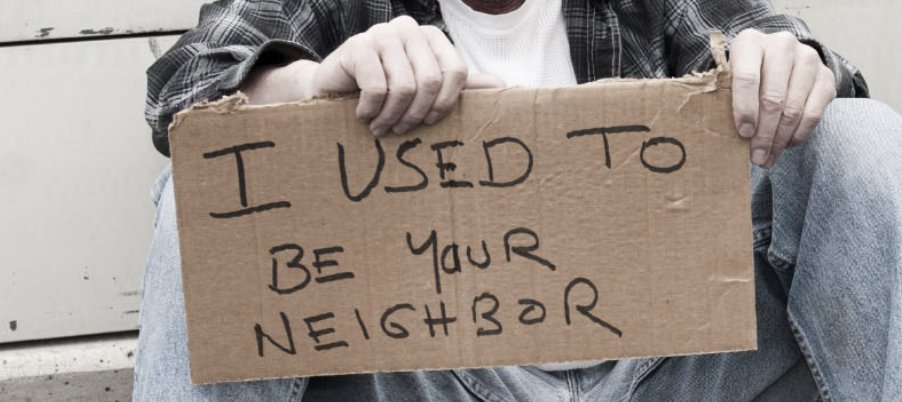
Since Thanksgiving Eve, at least five Vermonters have died after being turned away from the state’s General Assistance Emergency Housing program. Three deaths have been publicly reported, but at least two more can be added to the list. We’re up to five. And counting.
Or shall I say, in the words of End Homelessness Vermont’s Brenda Siegel, five “that we know about.” There is good reason to take her word for it; EHV has done a far better job than the state at keeping in touch with unsheltered people, assessing their needs, and trying to keep them safe and warm. And yes, Siegel is an advocate, but she has no need to exaggerate or embellish; the crisis is quite bad enough as it is.
There may have been more deaths that we don’t yet know about. There may be more by the time you read this post. This is an emergency. If the Scott administration was operating with less pride and more compassion, there would be an immediate summit meeting of state officials, key legislators, shelter providers, and housing advocates to find ways to help more people with available resources. The governor is right about one thing: The motel voucher program is a stopgap. It’s too expensive and doesn’t address any issues beyond roofs over heads.
There are options. There are ways to handle the situation — not perfectly, but better than we are now. The Scott administration has failed to explore other ideas. Instead, its policy has been to use whatever money is on hand to prop up the voucher program while making no provision at all for a better, longer-term solution. “It doesn’t have to be the motel program,” Siegel said. “There are other options. But we cannot keep unsheltering people.”
End of sermon. Now, more grim details.
In the absence of further action, there will be more deaths. How many more? Well, EHV knows of at least 49 people who are at severe risk due to disability. Those are the very worst cases, but as I’ve noted before, all of the 1,500 or so who’ve been unsheltered since mid-September are classed as vulnerable due to age or medical condition or other factors. That includes roughly 400 with documented disabilities according to EHV, a source worthy of trust even if it’s not “official.”
There are, Jane Kitchel’s nonsense notwithstanding, people in wheelchairs who don’t have shelter. There are people going without urgently needed medication or medical devices because they don’t have consistent access to electricity or refrigeration. There are families with small children sleeping outside because the administration’s highly-touted family shelters in Waterbury and Williston are grossly inadequate.
Deaths are only the tip of the iceberg. EHV counts at least seven people hospitalized with hypothermia in the last two weeks. One woman has been raped. One is fighting for his life following a severe blood infection that went untreated until it was nearly fatal and might still be. There are certainly more who have yet to be documented. If you die in a tent, it’s clearly a consequence of unsheltering, but if you get sick or your condition worsens and you wind up in a hospital or suffer life-altering complications, you might not be officially classed as a casualty. Doesn’t mean you aren’t one. Simply being unsheltered not only kills people and causes suffering, it also shortens lifespans.
“Vermont needs to have a reckoning with itself,” Siegel said.
Yes, we do. We all do.
 The Vermont Political Observer.
These deaths are not the resukt of policy decisions, they are the policy decision the state has made in our name. Don’t be fooled that it it the result of anything else.