
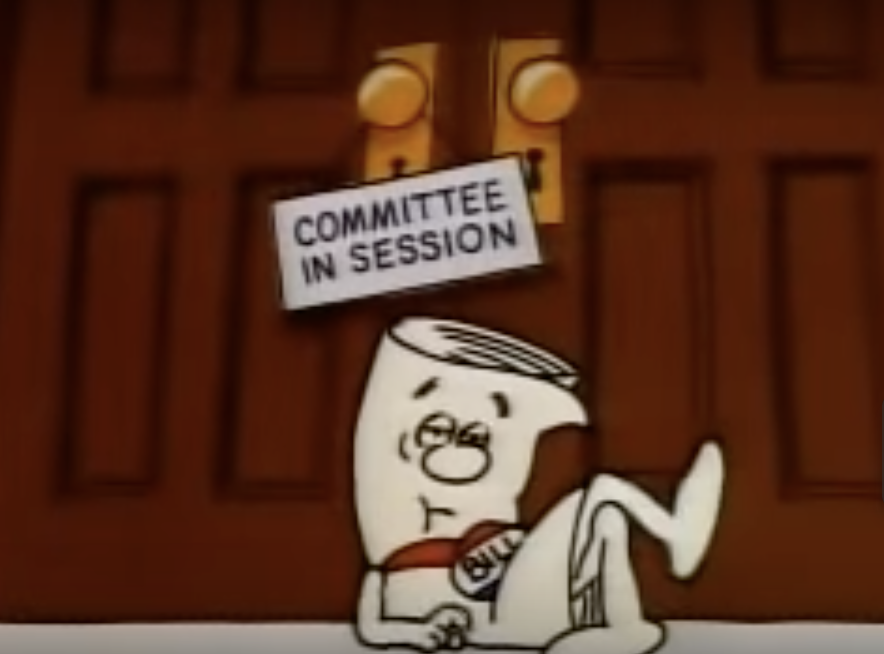
Now that a judge has tossed a spear into the chest of those who hoped to prevent The Great Unhousing, the next political step will be the upcoming veto override session in the Legislature, scheduled for June 20-22. The House and Senate will be trying, among other things, to override Gov. Phil Scott’s veto of the FY2024 budget.
They should have a comfortable margin of victory, but 17 Democratic/Progressive lawmakers have promised to vote against override of any budget that doesn’t extend the motel voucher program and build an offramp to better housing solutions. This week, I’ve had two conversations that shed contradictory light on the pending budget debate: One cast doubt on the very idea of reopening the budget, while the other basically called bullshit on the first.
Scenario number one. The budget override attempt will be an up-or-down vote on the budget as adopted by the House and Senate. No changes allowed. That wouldn’t prevent leadership from negotiating with the 17 between now and then, but they couldn’t amend the budget before the vote. The best they could do is craft a Plan B to expedite the process after an override failure.
Now, let’s assume the override fails. At that point, the power swings to Gov. Phil Scott. Counterintuitive, but here’s why.
The Legislature would have to write and approve a second budget including money for the vouchers. If it did so, the new budget would go to the governor. He would have five days to sign, veto, or let it become law without his signature. If he took the full five days and issued a veto, it would leave the Legislature desperately short of time to restart the process because the state is required by law to have a budget in place on July 1 or risk a shutdown of state government.
In short, the Legislature would be under pressure to adopt a second budget acceptable to the governor. And that would presumably mean killing a lot of items that caucus leadership worked so hard to include: a massive infusion of child care money, big investments in housing, universal school meals, badly needed increases in Medicaid reimbursement rates, more funds for dealing with substance use issues, and more.
Leadership could present this dilemma to the 17: Give in on vouchers and support the override, or risk losing a whole lot more of your wish list.
It’s a sound argument, and I bought it at first — forgetting my own cardinal rule of the legislative process: If they want to get something done there’s always a way. If they don’t, they can always find a reason it can’t be done.
Now to scenario number two, courtesy of one of the 17 House dissidents. Nonsense, he said. There’s a simple way to avoid the second-veto problem, and it’s commonly used to avoid calendar crunches in the lawmaking process. You take a bill that’s already on the House calendar and attach voucher funding to it. Once that’s in the bag, the 17 happily board the override train.
That means the budget, with all its Democratic and Progressive goodies, becomes law while a voucher bill heads to the governor’s desk all on its own. If the governor vetoes it, the Legislature has time to override and there’s no risk to the budget.
Neat, clean, no muss, no fuss.
Now, I’m no expert on the deep, dark details of the lawmakin’ process, but story #2 sounds fully as plausible as story #1. So don’t let anyone in leadership tell you their hands are tied. There’s always another way.
 The Vermont Political Observer.
John, I don’t understand why you continue to keep the Senate out of the equation. The Senate also didn’t put $ in;
I have covered the Senate repeatedly. The House is where this debate will next be joined because that’s where an override vote is in jeopardy.
Washington University in St. Louis
https://journals.library.wustl.edu › …PDF
Religious Provision of Shelter to the Homeless as a Protected Use
Just been at a conference where architects were talking about successes in building out homeless shelters under protected use through religious orgas