Tag Archives: John Mead

Jim Douglas Manfully Bears the White Man’s Burden

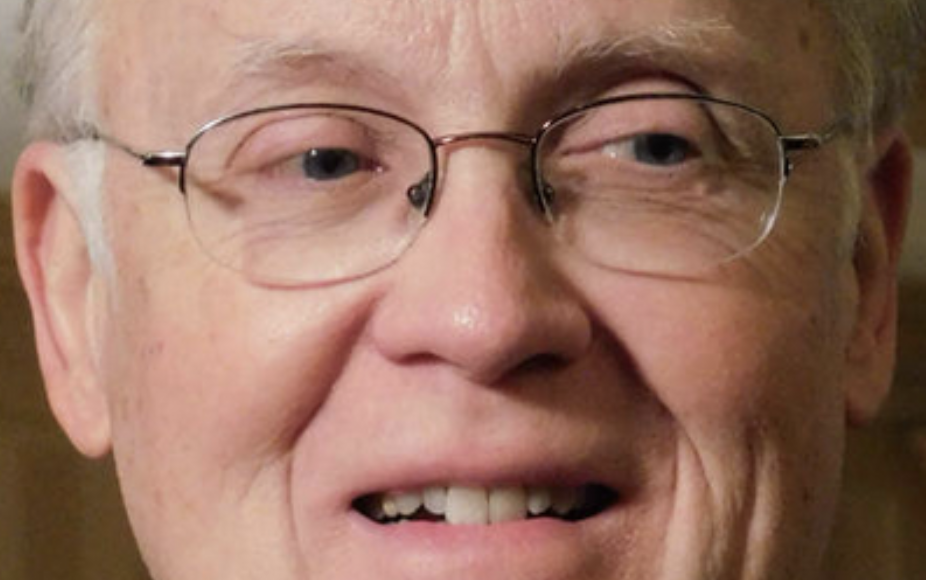
I came onto the scene a bit too late to get the full Jim Douglas Experience. Moved to Vermont in 2006 (which, yes, still a flatlander, I know, should I really be allowed to vote?) and didn’t pay much attention to #vtpoli until the 2010 campaign, when Dead-Eyed Jim was on his way out the door and into a fairly inert retirement. I have to admit, I see photos of this guy with his characteristically vacant non-smile, and I just don’t get the appeal. Like, this picture on the cover of his terrible memoir (see below), presumably chosen or approved by the subject, makes him look like he’s contemplating a bit of cannibalism.

But I will say this. If Douglas wanted to find a cause celebre to occupy his Golden Years, it’d be tough to find anything more apropros than defending the good name of a long-dead governor from the merry days of Kipling-style white supremacy. If any modern-day figure seems made to carry the threadbare mantle of those unenlightened times, it’s Jim Douglas. And here he is, spending years and clogging up the courts in his defense of former governor John Mead, whose most infamous contribution to our civic life was his enthusiastic advocacy for eugenics.

Douglas took one for the team last week when a judge issued a decidedly unfriendly ruling in his lawsuit over Middlebury College’s decision to take Mead’s name off the college chapel, the most prominent building on campus. It’s one of those rare stories in our perilous times that made me chuckle over my corn flakes.

Continue reading
Bookshelf: Much More Than a Dark Chapter

Not to overstate the case, but this is one of the most important Vermont history books ever written. Vermont for the Vermonters by Mercedes de Guardiola tells a sweeping tale of eugenics in our state, and makes it clear that the story is much longer and deeper than we’d like to think. She also reveals that much of the story has yet to be told and may never be, thanks to poor record keeping and lax oversight. (The newly established Truth and Reconciliation Commission has a hell of a job on its hands.)

The back cover blurb refers to eugenics as “one of Vermont’s darkest chapters.” That’s a massive undersell of the book. We might like to think of it as a single chapter at some remove from the rest of our history, but it’s more like the dark underbelly of Vermont’s character, always lurking about and always influencing our politics and policies.

Two big takeaways from the book. One, we have always “othered” the less fortunate, portraying them as somehow alien to solid, hardworking “real Vermonters.” Two, we have a long and horrible history of failing the people we’ve chosen to institutionalize. Both points were true long before Gov. John Mead brought eugenics into the center of Vermont politics or Henry Perkins became head of the Eugenics Survey, and both still resonate in the present day. (On the former, see our reaction to homelessness and substance use. On the second, see Joe Sexton’s exposé of abuses at the laughably named and now mercifully defunct Woodside Juvenile Rehabilitation Facility.)

Continue reading

Jim Douglas Is a Pud (And Other Observations)

Oh, boy. Former governor Jim Douglas is at it again, enthusiastically destroying what’s left of his reputation as a Nice Guy and a moderate Republican. He’s had a bee in his bonnet since 2021 about Middlebury College’s decision to remove the name “Mead” from what is now known as the Middlebury Chapel, the most prominent building on campus.

Douglas started complaining about this as soon as the name was changed in September 2021. In May 2022, he proclaimed loudly — in an essay not published in the Addy Indy or Rutland Herald or VTDigger but in the New York Sun, a conservative outlet that’s been described as having “a modest online presence” largely featuring opinion pieces — that he would not attend his 50th class reunion, so upset was he at the deMeadification of the chapel. At the time I called bullshit because…

Douglas may have skipped his class reunion, but he gave no indication that he would give up the “Executive in Residence” title he’s enjoyed at Middlebury since 2011, or that he would cease his part-time teaching role.

He still hasn’t given up his honorary or teaching roles, nor has he otherwise absented himself from campus activities, but now he’s filed suit against his employer and alma mater over the unMeading. Given the fact that he’s doing his best to turn Middlebury into a right-wing punching bag for its alleged embrace of “cancel culture,” it might just be time for the college to initiate a full separation on its own.

Obligatory First Amendment debunking. If Douglas did get canned, Middlebury would not be guilty of violating his free speech rights or “canceling” him. Douglas has every right to speak his mind. He does not have the right to avoid the consequences of his speech. I say this as someone who was once fired for using the word “dick” on Twitter.

Continue reading

Turns Out, Jim Douglas’ Anger Was Entirely Performative. Shocking, I know.

In my previous post, I expressed a bit of puzzlement about why former governor Jim Douglas chose the New York Sun as the place to express his sudden disdain for Middlebury College. Well, now I know why: Because any Vermont publication would have asked embarrassing questions.

Douglas, for those just tuning in, is upset over the college’s decision to take former governor John Mead’s name off a chapel building because Mead was a fervent and influential proponent of eugenics. In his essay, Douglas said he was staying away from his 50th class reunion because of the anesthetic-free Meadectomy.

I’ll miss seeing my classmates and reminiscing about our college days. My regret would be greater, however, if I were to pretend that I was happy to be there, in the shadow of Mead Chapel, the scene of the College’s expunction of the Governor’s legacy.

Time to call bullshit.

Douglas may have skipped his class reunion, but he gave no indication that he would give up the “Executive in Residence” title he’s enjoyed at Middlebury since 2011, or that he would cease his part-time teaching role. Apparently he’s not too upset about being “in the shadow of Mead Chapel” to completely absent himself from campus.

Continue reading

Finally, Jim Douglas Has Found Something to be Mad About

Ever notice how almost every photograph of former Vermont governor Jim Douglas looks the same? The not-quite-convincing smile, the middle-disance stare, the resolutely dead eyes? It’s almost as if he’s thinking to himself, “I wonder what puppy tastes like.”

Well, something has finally shattered that phlegmatic exterior. What, might you ask, is capable of piercing Douglas’ impregnable fortress of blanditude?

An alleged insult against a dead white guy.

Douglas, who could have had his pick of Vermont media outlets to carry his thoughts, took to the digital-only pages of the New York Sun, a conservative outlet that has nothing to do with the original city paper, to post his screed about why he’d decided to boycott his 50th class reunion at Middlebury College.

He did so because the college had the temerity to rename the Mead Memorial Chapel. It had borne the name of former Vermont governor John Mead, but the college took down his name because, uhh, Mead had been a proponent of eugenics.

Pish tush, says Douglas. A lot of people were pro-eugenics in the early 20th Century. And aside from that little flaw, Douglas says, Mead was “a decent man, as well as a generous benefactor” and a veteran of the Civil War to boot.

Problem is, John Mead wasn’t just some random dude who thought the gene pool needed a little purification. He used his platform as governor to call for an official policy of eugenics in Vermont, which led to one of the darkest periods in our history.

[In 1912,] Mead gave a farewell address to the Vermont Legislature in which he advocated for the use of eugenic theory in creating legislation and policy. His comments in that speech about marriage restrictions, segregation and sterilization inspired the research behind the Eugenics Survey of Vermont and led to the legalization of voluntary eugenical sterilization two decades later.

Continue reading