Tag Archives: Alicia Freese

#MeToo Made Barely a Dent in the Statehouse

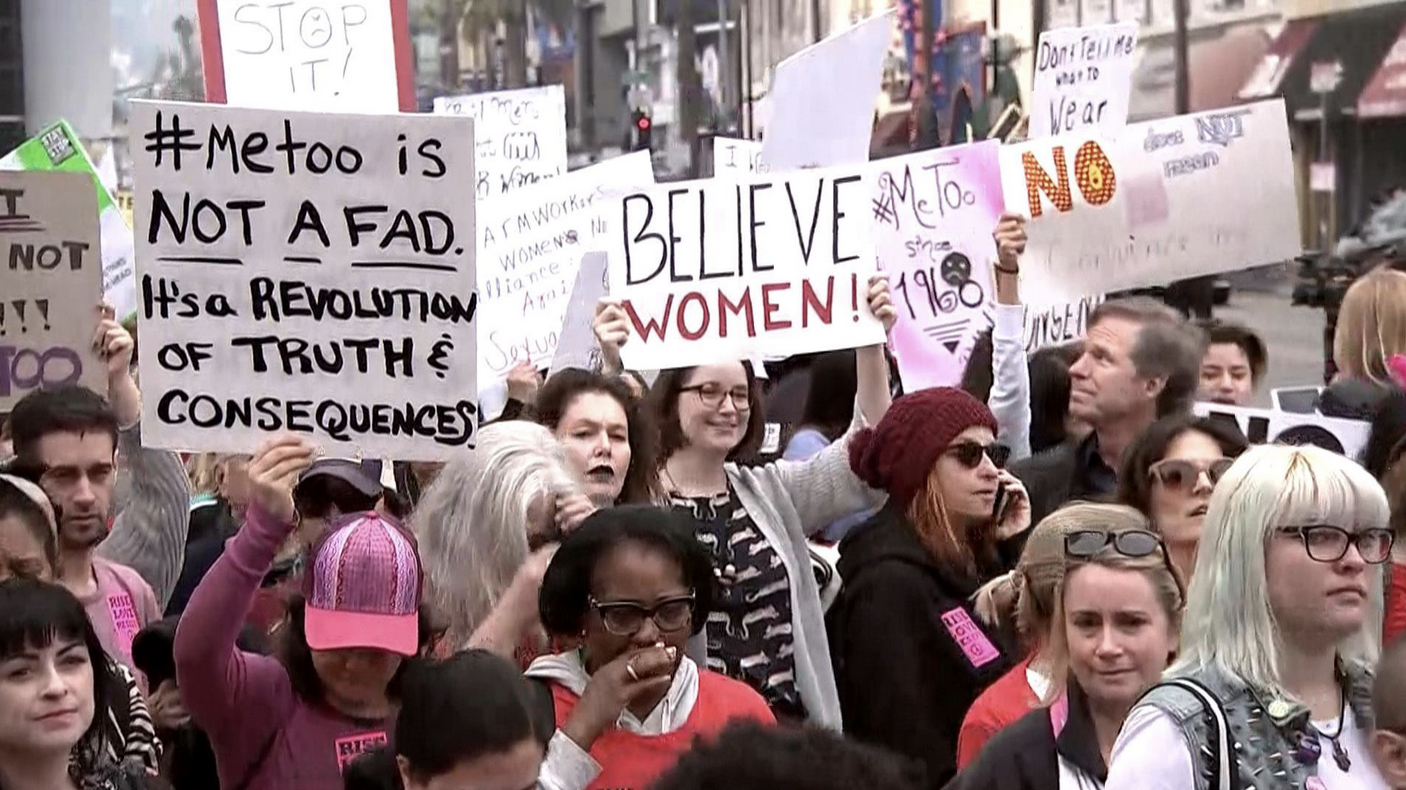
I hate to say it, but as far as the Vermont Statehouse is concerned, #MeToo kind of was a fad. At the time, there was talk of serious changes; but in the end, the dynamic is essentially unchanged. From the viewpoint of those enduring harassment, the process is entirely in the hands of lawmakers, there is far more opacity than transparency, and as a result, the process is gathering dust and cobwebs ’cause ain’t nobody using it.

That means one of two things: Sexual harassment is a thing of the past, or the process inspires so little faith that nobody dares to use it. From informal conversations, I can tell you it’s the latter.

This issue hit the front burner thanks to a November 2017 article written by the great Alicia Freese, published about six weeks after the Harvey Weinstein case went nuclear. Freese got female Statehouse staffers and lobbyists to talk about their bad experiences — without names attached due to fear of reprisals. The conclusion: Sexual harassment was simply part of the atmosphere, something they had to be prepared for every day. The incidents ranged from inappropriate comments to propositions to actual assaults.

Afterward, legislative leaders asked the Office of Legislative Counsel (then spelled “Council”) to review Statehouse sexual harassment policy. A month later, Leg Counsel “flagged a dozen significant concerns,” according to a follow-up story by Freese. Chief among the concerns: The panels were made up entirely of lawmakers who might be seen as unfair judges of their own colleagues; complainants were told to confront their (alleged) abuser before filing a formal complaint, which is all kinds of awful; the accused lawmaker had more say in how the case was adjudicated than the complainant; and there was absolutely no transparency to the process.

In the wake of the Leg Counsel memo, then-House speaker Mitzi Johnson promised to institute a “gold standard” policy that would serve as a national example of how to prevent sexual harassment.

Indeed, the Legislature did adopt a reformed process — but the result was a real mixed bag. The bullshit about confronting your abuser was deep-sixed and complainants were given somewhat more say in the process, but the panels are still made up entirely of lawmakers and the process is almost entirely shielded from public view.

I wouldn’t call it a gold standard. Pewter, maybe. The proof: The new policy has gone almost entirely unused, while the work environment remains unfriendly to female staff and lobbyists.

Continue reading

Ride with Uber. Chances are, you’ll get there in one piece

Ah, Uber… the latest high-tech industry disruptor. The “ride-sharing” service that’s just like a cab company without all that pesky regulation. The service that actively, and aggressively, resists any attempt to regulate its business. Now operating in the Burlington market, as the Freeploid reported last week:

Uber will provide rides through the low-cost service called uberX, which uses local drivers in their own cars. Burlington is now the 216th city on the Uber map, and the company will build up to 24/7 on-demand service.

The ‘Loid’s April Burbank went on to detail the city’s response to Uber, which arrived at a time when Burlington was already pondering how to update its taxi regulations, and to dutifully reproduce the complaints of local cab operators and Uber’s reassurances that its services are reliable and safe.

Safe. Hmm. That’s an issue that Burbank failed to explore further. And neither did Seven Days’ Alicia Freese, in a pair of stories that focused on Uber’s successes in other markets and the uncertain reaction from local regulators. All this, even though a quick Google search will reveal a host of problematic experiences and near-brushes with abduction and assault, to which Uber’s standard reaction is “Oops, sorry, here’s your money back, now go away.”

Let’s review some recent trouble spots on Uber’s record, shall we?

A woman in Los Angeles boarded an Uber vehicle for a ride home from a party. Instead, the driver took her 20 miles out of the way

…arriving in a dark, empty parking lot in the middle of the night despite her repeated protests. When she tried to exit the car, her driver locked the doors—only when she caused a commotion and screamed did he finally return her home. What should have been a quick ride took over two hours.

Uber’s initial response: a  partial refund for an “inefficient route.” It later made a full refund. Meanwhile, the woman is staying in a hotel because the driver is still out there somewhere and knows her home address.

A couple weeks ago, an Uber driver in San Francisco got into an argument with his passengers, stopped the car, attacked one of the riders with a hammer blow to the head, and drove away.

Oh, and here’s a thing: a Chicago TV station sent out a bunch of passengers to take rides in Uber cars, “and found not a single driver knew his way around the city.” And worse:

NBC5 then ran background checks on each of the drivers and discovered ticket after ticket — for speeding, illegal stops and running lights. One driver had 26 traffic tickets, yet still passed Uber’s background check.

The station then tested Uber’s driver-screening program by submitting an application from a reformed criminal with “a three-page rap sheet.” She was hired four weeks later, to which she said:

“I was kind of baffled, still am baffled how they let me in,” Locke said. “If I had been offered a job like this, knowing that my life of crime was in burglaries and robberies, …I would pick somebody up, take them to their airport, and my second thought would be: Go back to that house.”

The NBC5 report contains a whole lot of other nasty stuff, including an Uber driver who hit and killed a six-year-old — and who turned out to have a prior conviction for reckless driving; a driver accused of sexual assault by a passenger; and a driver whose car was totaled, and who found that neither Uber’s insurance nor his own would pay for the damages.

Thousands of people have had good experiences with Uber, and any industry has its problems. But Uber’s whole business model is built on avoiding responsibility for those problems. It fights regulation; it doesn’t buy commercial auto insurance for drivers; it classifies its drivers as independent contractors to shift liability away from the company.

It’s the ultimate in caveat emptor: let the buyer beware, let the contractor beware, let bystanders beware. In fact, let everybody beware except Uber itself. And Uber skims the profits.

City officials should think long and hard about the totality of Uber’s track record before allowing it to operate. That consideration should include the above incidents, and Uber’s clearly inadequate driver-screening process, which Seven Days and the Burlington Free Press either overlooked or didn’t think worthy of its readers’ attention.