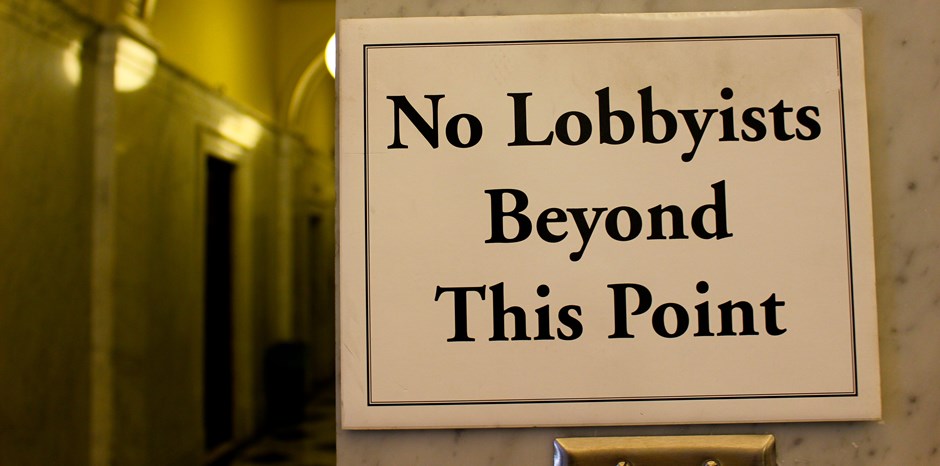
This column regularly bemoans the influence of lobbyists in our Statehouse. It’s less about overt corruption and more about relationships and the difficulty faced by unstaffed part-time lawmakers in assessing complicated issues.
But this week has brought us a couple of cases in which the Legislature — so far — has resisted the blandishments of the Folks In Smart Suits. First, the state Senate has unanimously approved a bill to ban PFAS and other toxic chemicals from a range of products. Second, a bill to establish a Right to Repair for agricultural and forestry equipment has made it through a House committee. Both bills represent modest but measurable victories for consumers over industry.
(And let me note that we may not have heard about either action if not for VTDigger’s Final Reading, which provides a valuable space for coverage of legislative happenings that might not warrant standalone treatment.)
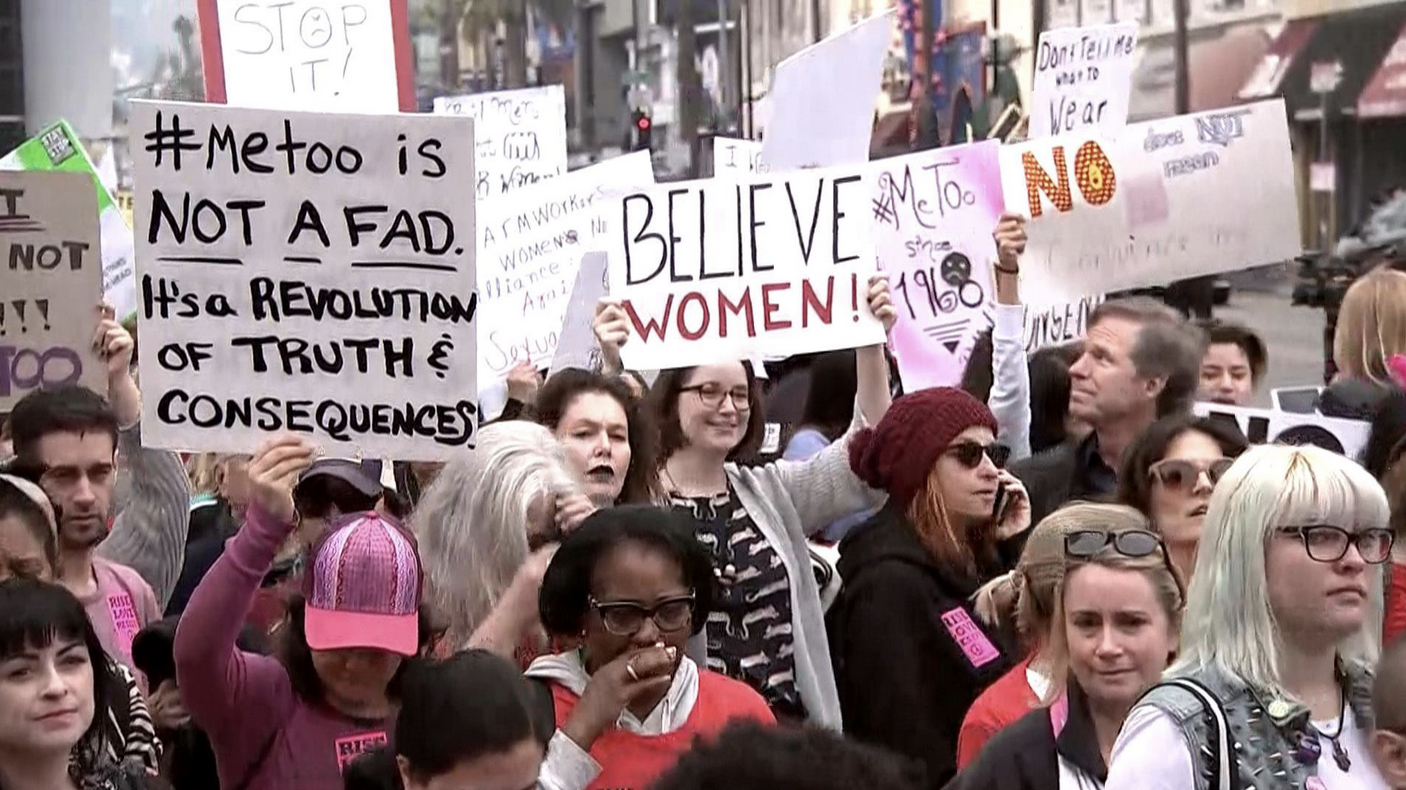
I hate to say it, but as far as the Vermont Statehouse is concerned, #MeToo kind of was a fad. At the time, there was talk of serious changes; but in the end, the dynamic is essentially unchanged. From the viewpoint of those enduring harassment, the process is entirely in the hands of lawmakers, there is far more opacity than transparency, and as a result, the process is gathering dust and cobwebs ’cause ain’t nobody using it.
That means one of two things: Sexual harassment is a thing of the past, or the process inspires so little faith that nobody dares to use it. From informal conversations, I can tell you it’s the latter.
This issue hit the front burner thanks to a November 2017 article written by the great Alicia Freese, published about six weeks after the Harvey Weinstein case went nuclear. Freese got female Statehouse staffers and lobbyists to talk about their bad experiences — without names attached due to fear of reprisals. The conclusion: Sexual harassment was simply part of the atmosphere, something they had to be prepared for every day. The incidents ranged from inappropriate comments to propositions to actual assaults.
Afterward, legislative leaders asked the Office of Legislative Counsel (then spelled “Council”) to review Statehouse sexual harassment policy. A month later, Leg Counsel “flagged a dozen significant concerns,” according to a follow-up story by Freese. Chief among the concerns: The panels were made up entirely of lawmakers who might be seen as unfair judges of their own colleagues; complainants were told to confront their (alleged) abuser before filing a formal complaint, which is all kinds of awful; the accused lawmaker had more say in how the case was adjudicated than the complainant; and there was absolutely no transparency to the process.
In the wake of the Leg Counsel memo, then-House speaker Mitzi Johnson promised to institute a “gold standard” policy that would serve as a national example of how to prevent sexual harassment.
Indeed, the Legislature did adopt a reformed process — but the result was a real mixed bag. The bullshit about confronting your abuser was deep-sixed and complainants were given somewhat more say in the process, but the panels are still made up entirely of lawmakers and the process is almost entirely shielded from public view.
I wouldn’t call it a gold standard. Pewter, maybe. The proof: The new policy has gone almost entirely unused, while the work environment remains unfriendly to female staff and lobbyists.
In the past, I have referred to legislative study committees as “the last refuge of legislative delay,” the fallback option when a bill that would actually do something gives lawmakers a raging case of the fantods. The Legislature has an insatiable appetite for creating study committees or task forces or, when they want to look as serious as possible, Blue Ribbon Commissions.
The appointed group then goes out and dutifully performs its task, and reports back to the Legislature — where the findings rarely, if ever, change anybody’s mind. More often than not, the report gets a warm reception followed by a quick trip to a dusty shelf.
There are exceptions; the panel on public sector pension reform did much to move a difficult process forward. But those cases are rare. Usually, formation of a study committee is just another way to kick the can down the road.
But I’ve come across a truly egregious example of a toothless study committee. I found one that seemingly never met, heard testimony, or gathered information, and never filed a report.
I’m talking about the Study Committee on Lobbying Activities of Organizations Receiving State Funds, organized by the state Senate in 2013 after some solons raised concerns with such organizations effectively using taxpayer funds on Statehouse lobbying.
I wrote about this in yesterday’s post exploring two continents on Lobby World. But there’s more to say about what happens when a study committee fails to achieve its purpose.


 The Vermont Political Observer.